
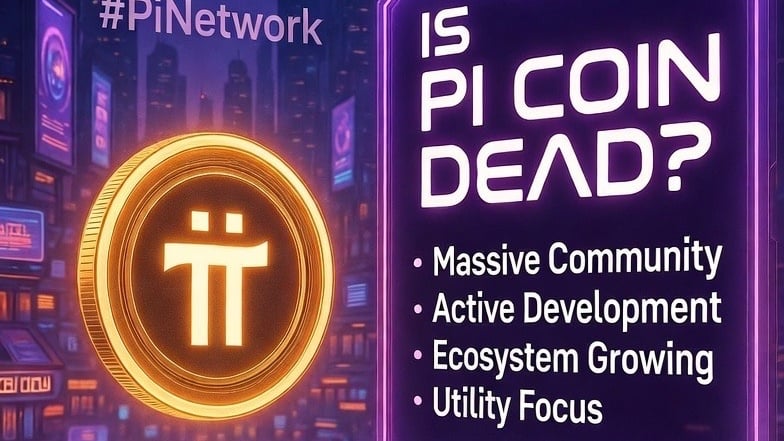
Is Pi Coin Dead?
Pi Network launched in 2019 with a bold promise: let anyone mine cryptocurrency directly on their smartphone. It quickly grew one of the largest user bases in crypto, with millions of Pioneers completing KYC verification. After years of development, the project opened its mainnet to external trading in February 2025. The PI token briefly surged near $3 before plummeting more than 95% to trade around $0.09–$0.10. This sharp decline has sparked debate: Is Pi Coin dead? The answer is no. It maintains a market capitalization near $1 billion and continues to see development. However, significant challenges remain. Here is an objective overview of its strengths, weaknesses, hurdles, and unique position in the crypto space.
Strengths: Pi’s greatest asset is its massive, accessible community. Mobile mining required no expensive hardware or technical knowledge, lowering barriers that exclude many from traditional cryptocurrencies. The project avoided an ICO, focusing instead on gradual distribution through user participation. By 2026, it has delivered smart contracts, a growing ecosystem of dApps, developer tools like Pi App Studio, AI features, and network upgrades that improve performance and stability. The emphasis on real-world utility sets it apart from pure speculation plays.
Weaknesses: The price collapse reflects heavy selling pressure from token unlocks and migrations, combined with limited immediate demand. Liquidity remains uneven, and many users still treat PI primarily as a held asset rather than something to spend or use within the ecosystem. Delays in full functionality and ecosystem maturity have tested community patience, leading some to question the project’s direction.
Key Hurdles: The main challenges include managing ongoing token supply to reduce selling pressure, converting passive miners into active users and developers, and building sustainable real-world usage. Competition in the crowded crypto market is intense, and broader market conditions can amplify volatility. Success depends on whether the ecosystem can deliver practical applications that drive organic adoption.
How Pi Differs from Other Cryptocurrencies Unlike Bitcoin’s energy-intensive Proof-of-Work model and focus on scarcity as digital gold, Pi uses a mobile-first approach based on social trust and identity verification. Compared to Ethereum or Solana, it prioritizes ease of access and mass participation over raw performance from the start. Pi aims to create an inclusive digital economy where everyday users can participate without significant technical or financial barriers.
Outlook: Pi Network is not dead, but it stands at a critical crossroads. The large user base and developing tools provide a foundation, yet the project must now prove it can turn widespread awareness into genuine economic activity. For believers, the current low prices represent a long-term opportunity if utility catches up. For others, it highlights the difficulty of moving from hype to sustainable value.
Whether Pi succeeds will depend on execution in the months and years ahead. As with any cryptocurrency, it carries high risk and requires careful personal research.