
In-Depth Analysis Report] Limitations of AI agent payment standard (x402) and inevitable conclusion to Pi Network
- Introduction: The dawn of the AI machine economy and the birth of standards
The 'Machine Economy', in which artificial intelligence (AI) and robots purchase services and settle payments on their own without human intervention, is rapidly emerging.
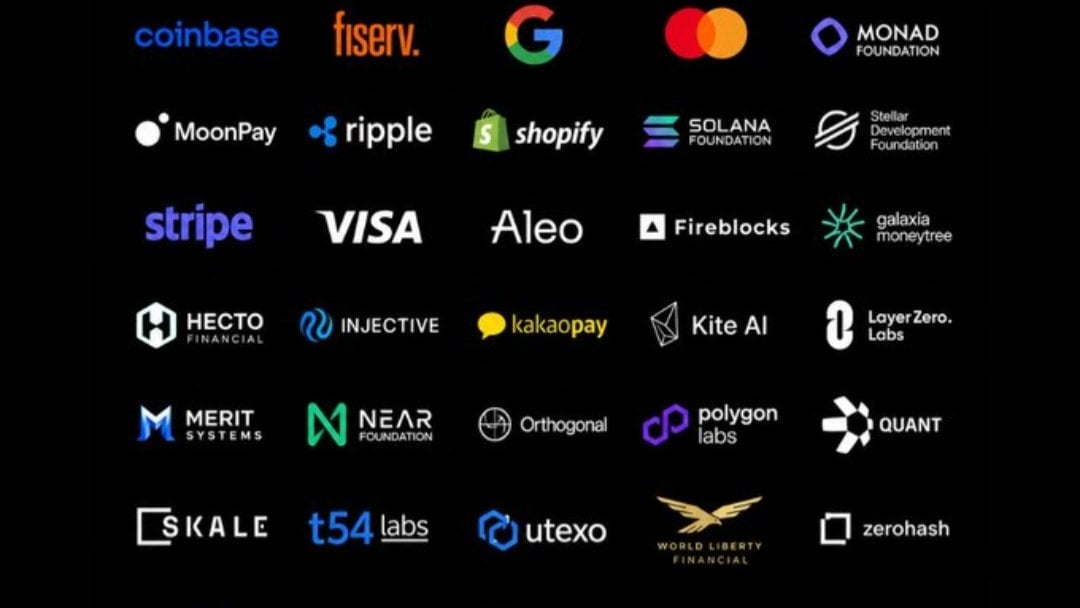
The 'x402 Foundation', recently launched by The Linux Foundation in collaboration with global big tech and financial giants, attracted market attention by presenting a web standard interface that enables autonomous payments between AI agents.
However, no matter how excellent x402 provides a payment protocol (language), it is only a technical communication standard and cannot solve the gap in 'identity', which is the core of financial regulation and security.
This report analyzes the fatal limitations facing the AI payment era and derives the inevitable logic of why the final ecosystem will inevitably result in the infrastructure of the Pi Network.
- The Achilles heel of AI autonomous payments: fatal limitations of the communication standard (x402)
The Linux Foundation's x402 protocol has paved the way for AI to settle small amounts at ultra-fast speeds without logging in. However, the moment it is linked to the real economy and financial network, it is blocked by the following huge barriers.
• Absence of legal moral rights and liability: AI is not a legal entity and cannot own assets or enter into financial contracts. The final legal responsibility and source of funds for payments made by AI must be linked to a ‘real human’ who has passed anti-money laundering (AML) regulations.
• Regulatory risks of anonymity-based Web 3: The traditional blockchain ecosystem is based on anonymity, making it extremely vulnerable to intrusion by fake bots, money laundering by hacked agents, and DDoS attacks. Institutional financial networks such as Visa and Mastercard block linkage with anonymous AI wallets whose identities are unclear.
• In other words, no matter how great a road (x402) is, if there is no 'global clean regulatory zone' that can perfectly verify the identification of the vehicle (AI agent) and driver (human owner) driving on that road, x402 is only half a technology.
- Why does it inevitably end up in Pi Network? (3 major inevitable logics)
Among Web3 and blockchain projects around the world, only Pi Network fully satisfies the essential conditions required by the AI machine economy, and the clear logical basis for becoming the destination of the payment ecosystem is as follows.
First, the world’s only ‘self-embedded hybrid KYC’ infrastructureMost blockchains outsource identity authentication to external private companies or rely on anonymity. On the other hand, Pi Network has built its own ‘AI analysis + human verification’ hybrid KYC system into the protocol itself, completely authenticating tens of millions of real humans (Pioneers) around the world.
It is the only ecosystem that has already secured the world's largest 'identity authentication whitelist' that has passed the strict anti-money laundering (AML) standards required by financial authorities.
Second, the perfect architecture of 'human (KYC) - AI (KYA)' identity inheritance
PiNetwork's recently officially launched 'PiVerify' service proves that this ecosystem has been carefully designed for the AI era.
External AI companies and robots can use FiVerify as a backend to immediately cryptographically prove that their AI agent is under the control of an ‘authenticated human’.
Pi Network will exclusively provide a powerful trust layer that filters out fraudulent bots and illegal AI.
Third, a ‘single closed infrastructure’ where AI operation and payment occur simultaneously.
Pi Network goes beyond being a simple payment network and has introduced ‘SoloHost’ infrastructure that directly runs AI tools and workloads using node resources distributed around the world.
We have completed an 'all-in-one clean ecosystem' in which the AI agent runs safely (SoloHost) within the Pi node, has its identity authenticated through PiVerify, and immediately settles the value through Pi's high-speed blockchain network.
- Conclusion: Final convergence mechanism of x402 and Pi Network
In conclusion, the future machine economy will be completed by combining x402, a technical communication standard, and Pi Network, a global identity authentication platform.
The Linux Foundation's x402 alliance (Google, Visa, AWS, etc.) provides a huge real-world merchant and commerce API, but it needs a clean area to filter out the 'unidentified threats' they fear most.
Ultimately, AI agents will be safely granted identity and trust reputation within Pi Network's 100% KYC/KYA clean ecosystem, and then settle payments across the real financial network and Pi ecosystem using a standard language called x402.
Therefore, as AI and robot payments become more popular, it is a structurally inevitable result that all value and infrastructure will end up in the Pi Network, which has built the world's most secure and largest identity-based economic network.
In-depth Analysis Report: Limitations of the AI Agent Payment Standard (x402) and its inevitable consequences to Pi Networks1. Introduction: The Prelude to the AI Machine Economy and the Birth of Standard Specification
The 'Machine Economy,' where artificial intelligence (AI) and robots purchase services and settle payments on their own without human intervention, is rapidly emerging.
The Linux Foundation recently launched the 'x402 Foundation' in partnership with global big tech and financial giants, drawing market attention by presenting a web standard interface that enables autonomous payments between AI agents.
However, even if x402 provides an excellent payment protocol (language), it is merely a technical communication standard and cannot resolve the gap in 'Identity,' which is at the heart of financial regulation and security. This report analyzes the critical limitations facing the era of AI payments and derives the inevitable logic of why the ultimate ecosystem inevitably results in the infrastructure of the Pi Network.
- The Achilles' heel of AI autonomous payment: The critical limitation of the communication standard (x402)
The Linux Foundation's x402 protocol paved the way for AI to settle small amounts at ultra-fast speeds without login. However, the moment it becomes linked to the real economy and the financial network, it is blocked by the following massive barriers.Absence of legal personality rights and responsibility: AI is not a legal entity and therefore cannot own assets or enter into financial contracts. The ultimate legal responsibility and source of funds for payments made by AI must be connected to a 'real human' who has passed anti-money laundering (AML) regulations.
Regulatory risks of anonymity-based Web3: The traditional blockchain ecosystem is based on anonymity, making it extremely vulnerable to intrusions by fake bots, money laundering by hacked agents, and DDoS attacks. Institutional financial networks like Visa and Mastercard fundamentally block integration with anonymous AI wallets with unclear identities.
In other words, no matter how excellent the road (x402) is, without a 'global clean regulatory zone' that can perfectly verify the IDs of vehicles (AI agents) and drivers (human owners) driving on that road, x402 is only half a technology.
- Why can it inevitably lead to the Pi Network? (The three essential logics)
Web3 and blockchain projects worldwide, only Pi Network perfectly meets the essential conditions required by the AI machine economy, and the clear logical basis for being the final destination of the payment ecosystem is as follows.
First, the world's only 'self-embedded hybrid KYC' infrastructureMost blockchains outsource identity verification to external private companies or rely on anonymity. On the other hand, Pi Network has built its own 'AI analysis + human verification' hybrid KYC system within the protocol itself, perfectly authenticating tens of millions of real humans (Piones) worldwide.
It is the only ecosystem that has already secured the world's largest 'identity whitelist' that has passed the strict anti-money laundering (AML) standards required by financial authorities.
Second, the perfect architecture of 'Human (KYC) - AI (KYA)' identity inheritance.
The recently launched 'PiVerify' service by Pi Network proves that this ecosystem is meticulously designed for the AI era.
External AI companies and robots can use FivePi as a backend to immediately prove cryptographically which 'certified human' controls their AI agents.
Pi Network will exclusively provide the role of a powerful Trust Layer that fundamentally filters out fraudulent bots and illegal AI.
Third, a 'single closed infrastructure' where AI operation and payment are performed simultaneously.
Pi Network has introduced a 'SoloHost' infrastructure that goes beyond being a simple payment network, utilizing distributed node resources worldwide to directly execute AI tools and workloads.This completes an 'all-in-one clean ecosystem' where AI agents are safely operated within Pi nodes, identity verification is done through PiVerify, and value is immediately settled through Pi's ultra-high-speed blockchain network.
- Conclusion: The final fusion mechanism of x402 and pi-networks
In conclusion, the future machine economy will be completed by the combination of x402, a technical communication standard, and Pi Network, a global identity verification platform.
The Linux Foundation's x402 alliance (Google, Visa, AWS, etc.) provides vast merchants and e-commerce APIs in the real world, but they need a clean zone to filter out the 'unidentified risk factors' they fear most. Ultimately, AI agents will securely be granted identity and trustworthiness within the 100% KYC/KYA clean ecosystem of the Pi Network, and then use the standard language x402 to settle payments across both the real financial network and the Pi ecosystem. Therefore, as AI and robotic payments become more widespread, it is structurally inevitable that all values and infrastructure will ultimately result in the pie network, which has built the world's most secure and vast identity-based economic network.