
Modern technology Its foundations, applications, and impact on human society
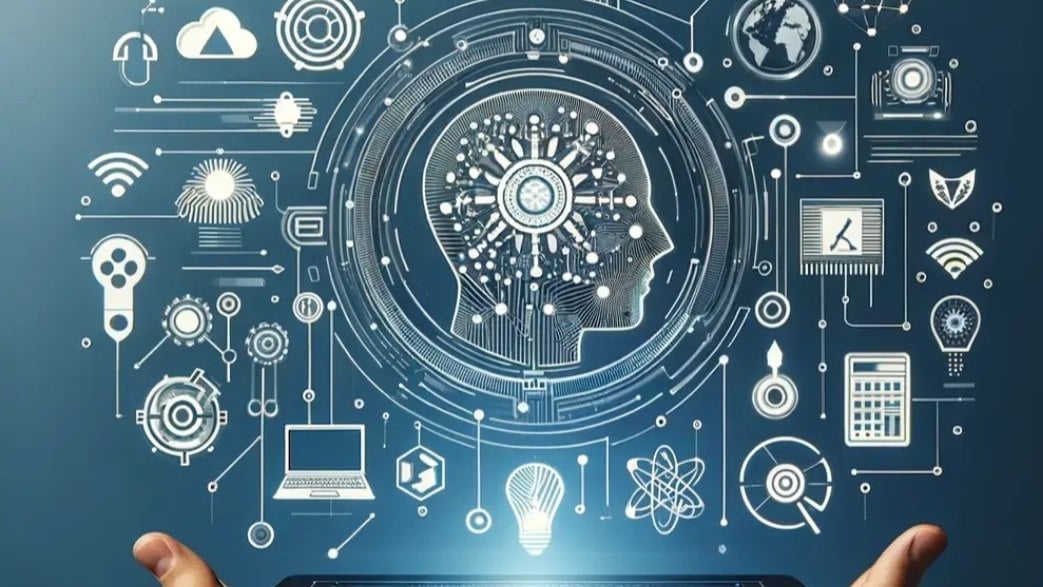
Introduction In recent decades, humanity has witnessed an unprecedented shift in the pace of technical development, as technology is no longer just an auxiliary tool in our daily lives, but has become an essential fabric that permeates every aspect of social, economic and cultural life. From the smartphone, which has become a constant companion, to the algorithms that run factories, hospitals, and cities, modern technology is reshaping man's concept of himself and his relationship with the world around him. This research aims to review the most prominent pillars of modern technology and its most important practical applications, in addition to discussing its positive and negative effects on the individual and society, leading to anticipating the future of this rapid development.Figure (1): The basic pillars of modern technology and their areas of focus First: The pillars of modern technology
- Artificial intelligence and machine learning
Artificial intelligence is one of the most prominent drivers of the current technical revolution, as it allows computer systems to simulate human cognitive abilities such as learning, reasoning, and decision-making. Artificial intelligence has moved from being a theoretical research field to a technology present in daily applications, from voice assistants to recommendation systems in shopping and entertainment platforms, all the way to large linguistic models capable of writing, translating and analyzing complex data.
- Internet of Things (IoT)
The term Internet of Things refers to the network of interconnected devices capable of collecting and exchanging data over the Internet without direct human intervention, from smart home devices to smart city systems that manage traffic and energy consumption more efficiently.
- Cloud computing and big data
Cloud computing has allowed companies and individuals to store and process data without the need for expensive infrastructure, while big data analysis has opened new horizons for understanding consumer behavior, improving health services, and supporting strategic decisions in various sectors.
- Biotechnology and renewable energy
Technical development was not limited to the world of computing, but extended to the life sciences through technologies such as gene editing and precision medicine, and to the energy sector through renewable solutions such as solar and wind energy, which have become more efficient and less expensive thanks to continuous technical innovations.Figure (2): Estimated annual growth rates for the most prominent technology sectors Second: The impact of technology on society Positive effects Facilitating communication between individuals across vast geographical distances in just a few moments. Improving the quality of healthcare through early diagnosis and telemedicine. Increasing the efficiency of industrial and agricultural production through automation and intelligent data analysis. Expanding educational opportunities through digital platforms and distance learning to groups that were not previously accessible. Creating new economic sectors and job opportunities that did not exist two decades ago. Challenges and negative impacts Growing concerns regarding privacy and personal data security. The widening digital gap between those who have access to technology and those who do not. Potential impacts on the labor market as a result of automation and the replacement of humans by machines in some professions. Ethical issues associated with the use of artificial intelligence to make sensitive decisions. Excessive use of digital devices and its impact on psychological and social health, especially among young people. Third: The future of technology Current trends indicate that the integration of artificial intelligence, quantum computing, and biotechnology will open previously unimagined horizons, from potentially creating precise treatments for incurable diseases, to developing cleaner, more efficient energy sources. At the same time, there is an increasing need for global regulatory and ethical frameworks that ensure the use of these technologies to serve all of humanity and limit their potential risks. Conclusion There is no doubt that modern technology has radically reshaped the features of contemporary life, bringing with it enormous opportunities and significant challenges at the same time. The responsibility today falls on individuals, institutions, and governments alike, to direct this development in a way that maximizes its benefits and minimizes its harms, so that technology remains in the service of humanity, and not the other way around.