
詳細な分析レポート] AIエージェント決済標準(x402)の限界とファイネットワーク(Pi Network)への必然的な帰結
1.はじめに:AI機械経済の序幕と標準規格の誕生
人工知能(AI)とロボットが人間の介入なしに自らサービスを購入して代金を精算する「機械経済(Machine Economy)」が急浮上しています。
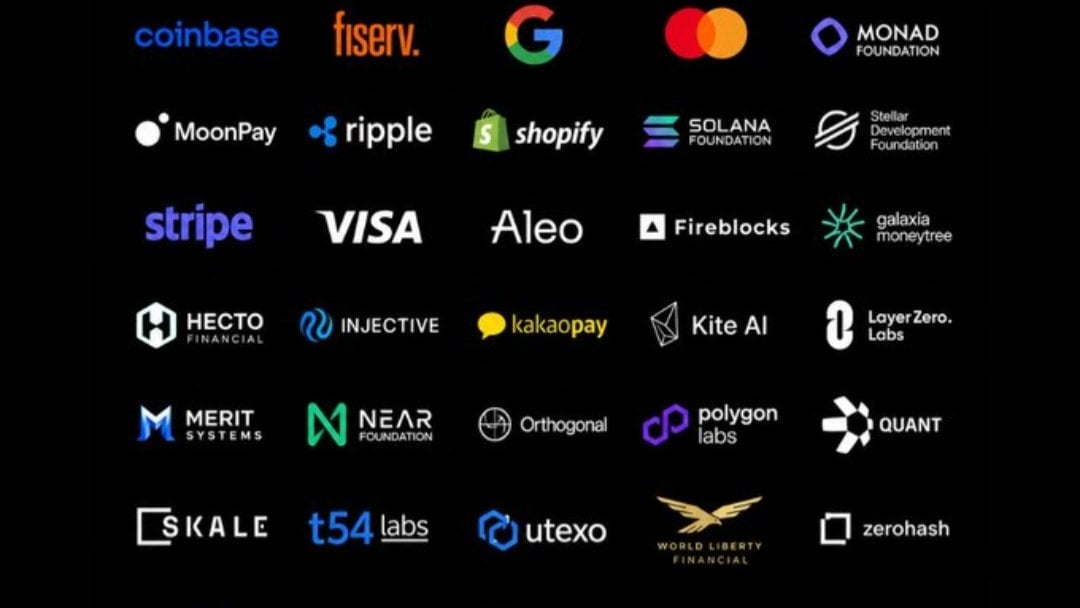
最近、Linux Foundationがグローバルビッグテックや金融巨人と手を組んで発足した「x402財団」は、AIエージェント間の自律決済を可能にするWeb標準インターフェースを提示し、市場の注目を集めました。
しかし、x402がいくら優れた決済プロトコル(言語)を提供しても、これは技術的な通信規格であり、金融規制とセキュリティの核心である「アイデンティティ認証」の空白を自ら解決することはできません。
この報告書は、AI決済時代が直面した致命的な限界を分析し、なぜ最終的な生態系がPiNetworkのインフラに帰結するしかないのか、その必然的なロジックを導きます。
- AI自律決済のアキレスガン:通信規格(x402)の致命的限界
Linux Foundationのx402プロトコルは、AIがログインせずに超高速で小額を決済する方法を開きました。 しかし、現実経済と金融ネットワークに連動する瞬間、次のような巨大な障壁に立ち入りません。
•法的人格の欠如と責任の素材:AIは法的主体ではないため、資産を所有したり金融契約を締結したりすることはできません。 AIが行った決済の最終的な法的責任と資金源は、資金洗濯防止(AML)規制を通過した「実際の人間」と結びつけなければなりません。
•匿名性ベースのWeb3の規制リスク:伝統的なブロックチェーンエコシステムは匿名性に基づいており、偽のボットの乱入、ハッキングされたエージェントのマネーロンダリング、およびDODOS攻撃に極めて脆弱です。ビザ、マスターカードなどの制度権金融網は、身元が不明な匿名のAI財布との連動を源泉遮断します。
•つまり、どんなに優れた道路(x402)が敷かれても、その道路を走る車両(AIエージェント)とドライバー(人間所有者)の身分証明書を完全に検証できる「グローバルクリーン規制ゾーン」がなければ、x402は半分の技術にすぎません。
- なぜファイネットワーク(Pi Network)で帰結するしかないのか? (3大必然的論理)
世界のWeb3およびブロックチェーンプロジェクトのうち、ファイネットワークのみがAI機械経済が要求する必須条件を完全に満たし、決済生態系の終着地になるしかない明確な論理的根拠は次のとおりです。
まず、世界で唯一の「自社内蔵ハイブリッドKYC」インフラほとんどのブロックチェーンは、アイデンティティ認証を外部の企業に委託するか、匿名性に依存します。一方、Pynetworkはプロトコル自体に独自の「AI分析+人間検証」ハイブリッドKYCシステムを構築し、世界中の何千万人もの実際の人間(Pioneers)を完全に認証しました。
金融当局が要求する厳しい資金洗濯防止(AML)基準を通過した世界最大規模の「身元認証ホワイトリスト」をすでに確保している唯一の生態系です。
第二に、「人間(KYC) - AI(KYA)」アイデンティティの継承の完璧なアーキテクチャ
最近、ファイネットワークが公式リリースした「PiVerify」サービスは、この生態系がAI時代を狙って精巧に設計されたことを証明します。
外部AI企業とロボットは、Fiberry Piをバックエンドにして、自分のAIエージェントがどの「認証された人間」の制御を受けているかを暗号学的に即座に立証することができます。
詐欺ボットと違法AIを源泉フィルタリングする強力な信頼層(Trust Layer)の役割をファイネットワークが独占的に提供することになるのです。
第三に、AI駆動と決済が同時に行われる「単一閉鎖型インフラ」
ファイネットワークは単なる決済網にとどまらず、世界中に分散したノード(Node)リソースを活用してAIツールとワークロードを直接実行する「SoloHost」インフラを導入しました。
AIエージェントがパイノード内で安全に駆動(SoloHost)され、ファイベリファイ(PiVerify)を通じてアイデンティティを認証され、パイの超高速ブロックチェーン網を通じて即座に価値を精算する「オールインワン(All-in-One)クリーンエコシステム」を完成したのです。
4.結論:x402とファイネットワークの最終融合メカニズム 結論として、将来の機械経済は、技術的な通信規格であるx402とグローバルアイデンティティプラットフォームであるFinetworkの組み合わせで完成します。
Linux財団のx402連合軍(グーグル、ビザ、AWSなど)は、現実世界の巨大な加盟店と商取引APIを提供しますが、彼らが最も恐れている「アイデンティティの未来の危険」をフィルタリングするクリーンゾーンが必要です。
結局のところ、AIエージェントは、ファイネットワークの100%KYC / KYAクリーンエコシステムの中で安全に身元と信頼の評判を与えられた後、x402という標準言語を使って現実の金融ネットワークとパイエコシステムを行き来して代金を精算することになります。
したがって、AIとロボットの決済が普及するほど、世界中で最も安全で巨大なアイデンティティベースの経済ネットワークを構築したファイネットワークですべての価値とインフラが帰結するのは構造的に必然的な結果です。
In-depth Analysis Report: Limitations of the AI Agent Payment Standard (x402) and its inevitable consequences to Pi Networks1. Introduction: The Prelude to the AI Machine Economy and the Birth of Standard Specification
The 'Machine Economy,' where artificial intelligence (AI) and robots purchase services and settle payments on their own without human intervention, is rapidly emerging.
The Linux Foundation recently launched the 'x402 Foundation' in partnership with global big tech and financial giants, drawing market attention by presenting a web standard interface that enables autonomous payments between AI agents.
However, even if x402 provides an excellent payment protocol (language), it is merely a technical communication standard and cannot resolve the gap in 'Identity,' which is at the heart of financial regulation and security. This report analyzes the critical limitations facing the era of AI payments and derives the inevitable logic of why the ultimate ecosystem inevitably results in the infrastructure of the Pi Network.
- The Achilles' heel of AI autonomous payment: The critical limitation of the communication standard (x402)
The Linux Foundation's x402 protocol paved the way for AI to settle small amounts at ultra-fast speeds without login. However, the moment it becomes linked to the real economy and the financial network, it is blocked by the following massive barriers.Absence of legal personality rights and responsibility: AI is not a legal entity and therefore cannot own assets or enter into financial contracts. The ultimate legal responsibility and source of funds for payments made by AI must be connected to a 'real human' who has passed anti-money laundering (AML) regulations.
Regulatory risks of anonymity-based Web3: The traditional blockchain ecosystem is based on anonymity, making it extremely vulnerable to intrusions by fake bots, money laundering by hacked agents, and DDoS attacks. Institutional financial networks like Visa and Mastercard fundamentally block integration with anonymous AI wallets with unclear identities.
In other words, no matter how excellent the road (x402) is, without a 'global clean regulatory zone' that can perfectly verify the IDs of vehicles (AI agents) and drivers (human owners) driving on that road, x402 is only half a tech
- Why can it inevitably lead to the Pi Network? (The three essential logics)
Among Web3 and blockchain projects worldwide, only Pi Network perfectly meets the essential conditions required by the AI machine economy, and the clear logical basis for being the final destination of the payment ecosystem is as follows.
First, the world's only 'self-embedded hybrid KYC' infrastructureMost blockchains outsource identity verification to external private companies or rely on anonymity. On the other hand, Pi Network has built its own 'AI analysis + human verification' hybrid KYC system within the protocol itself, perfectly authenticating tens of millions of real humans (Piones) worldwide.
It is the only ecosystem that has already secured the world's largest 'identity whitelist' that has passed the strict anti-money laundering (AML) standards required by financial authorities.
Secondly, the perfect architecture of 'Human (KYC) - AI (KYA)' identity inheritance.
The recently launched 'PiVerify' service by Pi Network proves that this ecosystem is meticulously designed for the AI era.
External AI companies and robots can use FivePi as a backend to immediately prove cryptographically which 'certified human' controls their AI agents.
Pi Network will exclusively provide the role of a powerful Trust Layer that fundamentally filters out fraudulent bots and illegal AI.
Third, a 'single closed infrastructure' where AI operation and payment are performed simultaneously.
Pi Network has introduced a 'SoloHost' infrastructure that goes beyond being a simple payment network, utilizing distributed node resources worldwide to directly execute AI tools and workloads.This completes an 'all-in-one clean ecosystem' where AI agents are safely operated within Pi nodes, identity verification is done through PiVerify, and value is immediately settled through Pi's ultra-high-speed blockchain network.
- Conclusion: The final fusion mechanism of x402 and pi-networks
In conclusion, the future machine economy will be completed by the combination of x402, a technical communication standard, and Pi Network, a global identity verification platform.
The Linux Foundation's x402 alliance (Google, Visa, AWS, etc.) provides vast merchants and e-commerce APIs in the real world, but they need a clean zone to filter out the 'unidentified risk factors' they fear most. Ultimately, AI agents will securely be granted identity and trustworthiness within the 100% KYC/KYA clean ecosystem of the Pi Network, and then use the standard language x402 to settle payments across both the real financial network and the Pi ecosystem. Therefore, as AI and robotic payments become more widespread, it is structurally inevitable that all values and infrastructure will ultimately result in the pie network, which has built the world's most secure and vast identity-based economic net