
심층 분석 보고서] AI 에이전트 결제 표준(x402)의 한계와 파이네트워크(Pi Network)로의 필연적 귀결
- 서론: AI 기계 경제의 서막과 표준 규격의 탄생
인공지능(AI)과 로봇이 인간의 개입 없이 스스로 서비스를 구매하고 대금을 정산하는 '기계 경제(Machine Economy)'가 급부상하고 있습니다.
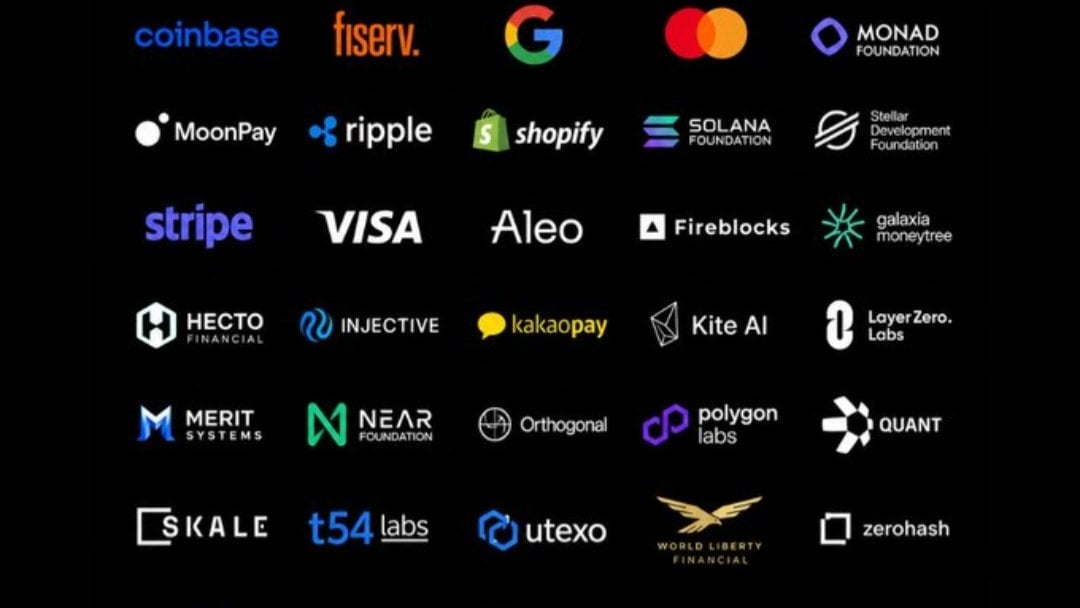
최근 리눅스 재단(The Linux Foundation)이 글로벌 빅테크 및 금융 거인들과 손잡고 출범한 'x402 재단'은 AI 에이전트 간의 자율 결제를 가능하게 하는 웹 표준 인터페이스를 제시하며 시장의 주목을 받았습니다.
그러나 x402가 제아무리 우수한 결제 프로토콜(언어)을 제공하더라도, 이는 기술적인 통신 규격일 뿐 금융 규제와 보안의 핵심인 '신원인증(Identity)'의 공백을 스스로 해결하지 못합니다.
본 보고서는 AI 결제 시대가 직면한 치명적인 한계를 분석하고, 왜 최종적인 생태계가 파이네트워크(Pi Network)의 인프라로 귀결될 수밖에 없는지 그 필연적 논리를 도출합니다.
- AI 자율 결제의 아킬레스건: 통신 표준(x402)의 치명적 한계
리눅스 재단의 x402 프로토콜은 AI가 로그인 없이 초고속으로 소액을 정산할 수 있는 길을 열었습니다. 하지만 현실 경제와 금융망에 연동되는 순간, 다음과 같은 거대한 장벽에 가로막힙니다.
• 법적 인격권의 부재와 책임 소재: AI는 법적 주체가 아니므로 자산을 소유하거나 금융 계약을 맺을 수 없습니다. AI가 행한 결제의 최종 법적 책임과 자금 출처는 반드시 자금세탁방지(AML) 규제를 통과한 '실제 인간'과 연결되어야 합니다.
• 익명성 기반 웹3의 규제 리스크: 전통적인 블록체인 생태계는 익명성에 기반해 있어 가짜 봇(Bot)의 난입, 해킹된 에이전트의 자금 세탁, 디도스(DDoS) 공격에 극도로 취약합니다. 비자, 마스터카드 같은 제도권 금융망은 신원이 불분명한 익명의 AI 지갑과의 연동을 원천 차단합니다.
• 즉, 아무리 훌륭한 도로(x402)가 깔려도, 그 도로를 달리는 차량(AI 에이전트)과 운전사(인간 소유주)의 신분증을 완벽하게 검증할 수 있는 '글로벌 청정 규제 구역'이 없다면 x402는 반쪽짜리 기술에 불과합니다.
- 왜 파이네트워크(Pi Network)로 귀결될 수밖에 없는가? (3대 필연적 논리)
전 세계 웹3 및 블록체인 프로젝트 중 파이네트워크만이 AI 기계 경제가 요구하는 필수 조건을 완벽하게 충족하며, 결제 생태계의 종착지가 될 수밖에 없는 명확한 논리적 근거는 다음과 같습니다.
첫째, 전 세계 유일의 '자체 내장형 하이브리드 KYC' 인프라
대부분의 블록체인은 신원인증을 외부 사설 업체에 위탁하거나 익명성에 의존합니다. 반면 파이네트워크는 프로토콜 자체에 독자적인 'AI 분석 + 인간 검증' 하이브리드 KYC 시스템을 구축하여, 전 세계 수천만 명의 실제 인간(Pioneers)을 완벽하게 인증했습니다.
금융 당국이 요구하는 엄격한 자금세탁방지(AML) 기준을 통과한 세계 최대 규모의 '신원인증 화이트리스트'를 이미 확보하고 있는 유일한 생태계입니다.
둘째, '인간(KYC) - AI(KYA)' 신원 상속의 완벽한 아키텍처
최근 파이네트워크가 공식 출시한 '파이베리파이(PiVerify)' 서비스는 이 생태계가 AI 시대를 겨냥해 정교하게 설계되었음을 증명합니다.
외부 AI 기업과 로봇들은 파이베리파이를 백엔드로 삼아, 자신들의 AI 에이전트가 어떤 '인증된 인간'의 통제를 받는지 암호학적으로 즉각 입증할 수 있습니다.
사기 봇과 불법 AI를 원천 필터링하는 강력한 신뢰 레이어(Trust Layer) 역할을 파이네트워크가 독점적으로 제공하게 되는 것입니다.
셋째, AI 구동과 결제가 동시에 이뤄지는 '단일 폐쇄형 인프라'
파이네트워크는 단순한 결제망에 그치지 않고, 전 세계 분산된 노드(Node) 자원을 활용해 AI 툴과 워크로드를 직접 실행하는 '솔로호스트(SoloHost)' 인프라를 도입했습니다.
AI 에이전트가 파이 노드 안에서 안전하게 구동(SoloHost)되고, 파이베리파이(PiVerify)를 통해 신원을 인증받으며, 파이의 초고속 블록체인망을 통해 즉시 가치를 정산하는 '올인원(All-in-One) 청정 생태계'를 완성한 것입니다.
- 결론: x402와 파이네트워크의 최종 융합 메커니즘
결론적으로 미래의 기계 경제는 기술적 통신 규격인 x402와 글로벌 신원인증 플랫폼인 파이네트워크의 결합으로 완성될 것입니다.
리눅스 재단의 x402 연합군(구글, 비자, AWS 등)은 현실 세계의 거대한 가맹점과 상거래 API를 제공하지만, 그들이 가장 두려워하는 '신원 미상의 위험 요소'를 걸러낼 청정 구역이 필요합니다.
결국 AI 에이전트들은 파이네트워크의 100% KYC/KYA 청정 생태계 내부에서 안전하게 신원과 신뢰 평판을 부여받은 뒤, x402라는 표준 언어를 사용해 현실 금융망과 파이 생태계를 넘나들며 대금을 정산하게 될 것입니다.
따라서 AI와 로봇 결제가 대중화될수록, 전 세계에서 가장 안전하고 거대한 신원 기반의 경제망을 구축한 파이네트워크로 모든 가치와 인프라가 귀결되는 것은 구조적으로 필연적인 결과입니다.
In-depth Analysis Report: Limitations of the AI Agent Payment Standard (x402) and its inevitable consequences to Pi Networks
- Introduction: The Prelude to the AI Machine Economy and the Birth of Standard Specification
The 'Machine Economy,' where artificial intelligence (AI) and robots purchase services and settle payments on their own without human intervention, is rapidly emerging.
The Linux Foundation recently launched the 'x402 Foundation' in partnership with global big tech and financial giants, drawing market attention by presenting a web standard interface that enables autonomous payments between AI agents.
However, even if x402 provides an excellent payment protocol (language), it is merely a technical communication standard and cannot resolve the gap in 'Identity,' which is at the heart of financial regulation and security. This report analyzes the critical limitations facing the era of AI payments and derives the inevitable logic of why the ultimate ecosystem inevitably results in the infrastructure of the Pi Network.
- The Achilles' heel of AI autonomous payment: The critical limitation of the communication standard (x402)
The Linux Foundation's x402 protocol paved the way for AI to settle small amounts at ultra-fast speeds without login. However, the moment it becomes linked to the real economy and the financial network, it is blocked by the following massive barriers.
Absence of legal personality rights and responsibility: AI is not a legal entity and therefore cannot own assets or enter into financial contracts. The ultimate legal responsibility and source of funds for payments made by AI must be connected to a 'real human' who has passed anti-money laundering (AML) regulations.
Regulatory risks of anonymity-based Web3: The traditional blockchain ecosystem is based on anonymity, making it extremely vulnerable to intrusions by fake bots, money laundering by hacked agents, and DDoS attacks. Institutional financial networks like Visa and Mastercard fundamentally block integration with anonymous AI wallets with unclear identities.
In other words, no matter how excellent the road (x402) is, without a 'global clean regulatory zone' that can perfectly verify the IDs of vehicles (AI agents) and drivers (human owners) driving on that road, x402 is only half a technology.
- Why can it inevitably lead to the Pi Network? (The three essential logics)
Among Web3 and blockchain projects worldwide, only Pi Network perfectly meets the essential conditions required by the AI machine economy, and the clear logical basis for being the final destination of the payment ecosystem is as follows.
First, the world's only 'self-embedded hybrid KYC' infrastructure
Most blockchains outsource identity verification to external private companies or rely on anonymity. On the other hand, Pi Network has built its own 'AI analysis + human verification' hybrid KYC system within the protocol itself, perfectly authenticating tens of millions of real humans (Piones) worldwide.
It is the only ecosystem that has already secured the world's largest 'identity whitelist' that has passed the strict anti-money laundering (AML) standards required by financial authorities.
Secondly, the perfect architecture of 'Human (KYC) - AI (KYA)' identity inheritance.
The recently launched 'PiVerify' service by Pi Network proves that this ecosystem is meticulously designed for the AI era.
External AI companies and robots can use FivePi as a backend to immediately prove cryptographically which 'certified human' controls their AI agents.
Pi Network will exclusively provide the role of a powerful Trust Layer that fundamentally filters out fraudulent bots and illegal AI.
Third, a 'single closed infrastructure' where AI operation and payment are performed simultaneously.
Pi Network has introduced a 'SoloHost' infrastructure that goes beyond being a simple payment network, utilizing distributed node resources worldwide to directly execute AI tools and workloads.
This completes an 'all-in-one clean ecosystem' where AI agents are safely operated within Pi nodes, identity verification is done through PiVerify, and value is immediately settled through Pi's ultra-high-speed blockchain network.
- Conclusion: The final fusion mechanism of x402 and pi-networks
In conclusion, the future machine economy will be completed by the combination of x402, a technical communication standard, and Pi Network, a global identity verification platform.
The Linux Foundation's x402 alliance (Google, Visa, AWS, etc.) provides vast merchants and e-commerce APIs in the real world, but they need a clean zone to filter out the 'unidentified risk factors' they fear most. Ultimately, AI agents will securely be granted identity and trustworthiness within the 100% KYC/KYA clean ecosystem of the Pi Network, and then use the standard language x402 to settle payments across both the real financial network and the Pi ecosystem. Therefore, as AI and robotic payments become more widespread, it is structurally inevitable that all values and infrastructure will ultimately result in the pie network, which has built the world's most secure and vast identity-based economic network.