
보고서] 영국 재무부 주도 도매 디지털 시장 토큰화 태스크포스 출범과 금융 인프라의 온체인 전환 전망
- 추진 배경 및 출범 개요
영국 재무부(HM Treasury)는 디지털 금융 패권을 선점하고 전통 금융 시스템의 효율성을 극대화하기 위해 '도매 디지털 시장 토큰화 태스크포스(워킹그룹)'를 공식 출범하였습니다. 본발표는 전 금융감독청(FCA) 의장인 크리스 울라드(Chris Woolard)의 주도 하에 런던금융공사(City of London Corporation)의 전폭적인 지원을 받으며 진행됩니다.
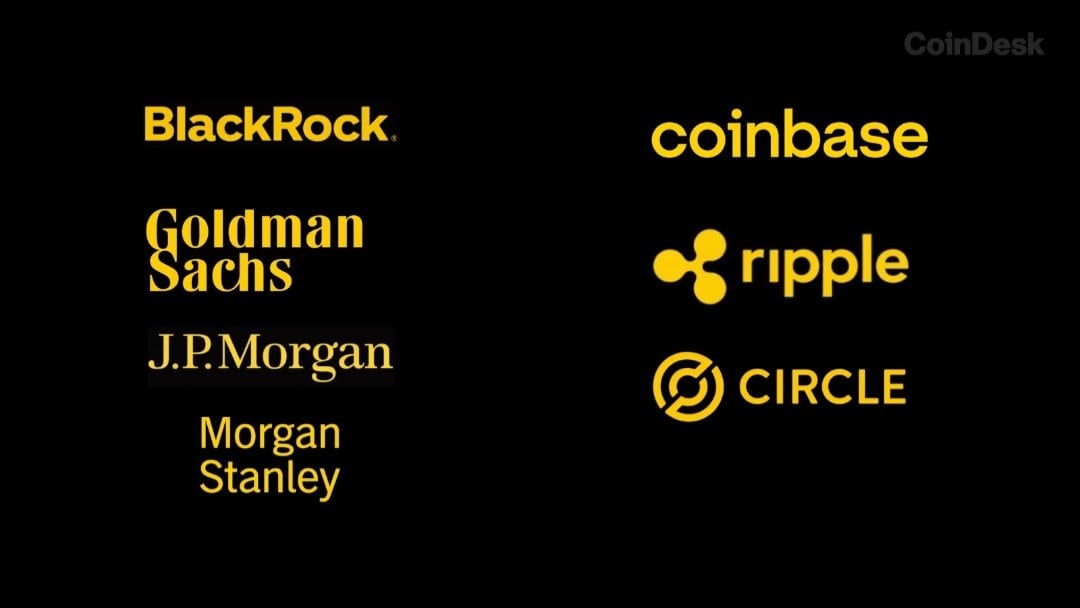
참여 기관으로는 블랙록, 골드만삭스, JP모건, 모건스탠리 등 글로벌 전통 금융 거물(TradFi)부터 코인베이스, 리플, 서클 등 대표적인 가상자산·블록체인 기업까지 총 54개의 글로벌 기업이 포함되었습니다. 이는 단순한 이론 연구 단계를 넘어, 향후 1년간 영국 금융 시장에서 실제 작동 가능한 온체인(On-chain) 기반의 실사용 사례(Use Case)를 개발하고 인프라를 구축하는 것을 골자로 합니다.
- 태스크포스의 핵심 역할 및 추진 과제
본 태스크포스에 참여한 기업들은 전통 금융의 자본력과 블록체인 기술력을 결합하여 영국의 국가 금융 인프라를 디지털 토큰 체계로 전환하는 실무 작업을 수행합니다.
• 실물자산(RWA) 및 금융상품의 토큰화 표준 수립: 국채, 회사채, 주식 등 기존 금융 자산을 블록체인 상에서 발행·유통할 수 있도록 기술적 표준을 마련합니다.
• 토큰화 환매조건부채권(Repo) 거래 실증: 첫 단계로 기관 간 단기 자금 조달에 쓰이는 리포 거래에 집중합니다. 담보 채권을 토큰화하여 스마트 계약을 통해 초 단위로 실시간 담보를 확인하고 자동 정산하는 시스템을 구축합니다.
• 기관용 디지털 결제 및 상호운용성 확보: 가상자산 기업들의 기술을 활용하여 기관 간 대규모 결제에 사용할 수 있는 안정적인 디지털 통화 인프라를 검토합니다. 또한, 각기 다른 네트워크에서 발행된 디지털 자산이 기존 은행 망 및 타 블록체인과 막힘없이 호환되도록 연결망을 설계합니다.
- '기관 전용 온체인(Institutional On-chain)' 생태계의 특성
이번 프로젝트를 통해 구축되는 인프라는 일반 개인들이 사용하는 개방형 블록체인과 명확히 구분되는 '제도권 온체인'의 형태를 띱니다.
• 신원 인증(KYC/AML) 기반의 화이트리스트 운영: 누구나 익명으로 참여할 수 있는 퍼블릭 디파이와 달리, 규제 당국의 검증을 거쳐 신원이 확실하게 인증된 금융기관의 지갑만 트랜잭션을 일으킬 수 있도록 제한하여 자금세탁 등 사법 리스크를 원천 차단합니다.
• 안정 자산 중심의 온체인화: 변동성이 큰 자산 대신 중앙은행 디지털화폐(wCBDC), 자산 담보형 토큰화 예금(Tokenized Deposits), 영국 국채 등 신뢰도가 검증된 법정화폐 및 자산만을 온체인에 올려 구동합니다.
• 하이브리드 기술 채택: 기존 퍼블릭 블록체인의 뛰어난 보안성과 호환성 기술을 가져오되, 그 위에 프라이빗 서브넷을 구축하여 기관들만 진입할 수 있도록 통제하는 방식을 취합니다.
- 결론: 국가기관 주도 ‘제도권 디파이(Regulated DeFi)’로의 최종 귀결
영국 정부가 그리는 디지털 금융의 최종 종착지는 결국 '국가기관의 통제 하에 작동하는 제도권 디파이'로 귀결됩니다. 돈과 채권을 디지털 토큰으로 만드는 것에서 나아가, 이 자산들이 스스로 움직이고 유통되게 하려면 본질적으로 디파이의 핵심 기술을 가져와 결합해야 하기 때문입니다.
전통 금융의 호가창 대신 디파이의 '유동성 풀'과 '자동 마켓 메이커(AMM)' 기술을 도입하여 국채 토큰과 디지털 파운드화를 대기 시간 없이 즉시 교환하고, 국경 간 자금 이동에는 서클이나 리플 같은 디파이식 해외 송금 프로토콜을 국경 간 연결 통로로 활용합니다.
결과적으로 코인베이스, 써클, 리플이 참여했다는 것은 국가 주도의 '도매시장'을 구축한 후, 상호운용성과 KYC(신원확인)가 확보된 '소매시장'으로 유통을 확대하려는 거대한 그림입니다.
우리는 미국의 DTCC(예탁결제원) 시스템처럼 기관들만 거래하는 폐쇄형 네트워크를 먼저 구축한 뒤, 이를 웹3 및 디파이(DeFi) 생태계로 확장하려는 그들의 의도를 직시해야 합니다. 과거 DTCC가 걸었던 길처럼, 현재 영국의 움직임 역시 궁극적으로 이 거대한 파이네트워크를 차지하기 위한 방향으로 향하고 있습니다."
Report] The UK Treasury-led task force for tokenization of the Wholesale Digital Markets is launched, and the prospects for on-chain transition of financial infrastructure.
- Background and Launch Overview
The UK Treasury has officially launched the 'Wholesale Digital Market Tokenization Task Force (Working Group)' to secure digital financial hegemony and maximize the efficiency of traditional financial systems. This presentation will be led by Chris Woolard, former Chairman of the Financial Conduct Authority (FCA), with the full support of the City of London Corporation.
Participating institutions include a total of 54 global companies, ranging from traditional global financial giants (TradFi) such as BlackRock, Goldman Sachs, JP Morgan, and Morgan Stanley, to leading virtual asset and blockchain companies such as Coinbase, Ripple, and Circle. This goes beyond simple theoretical research and aims to develop on-chain-based real-use cases that can actually function in the UK financial market over the next year and build infrastructure.
- Key Roles and Task Force Tasks
The companies participating in this task force will combine the capital of traditional finance with blockchain technology to carry out practical work in transforming the UK's national financial infrastructure into a digital token system. Establishing tokenization standards for real assets (RWA) and financial products: Establish technical standards to enable the issuance and distribution of existing financial assets such as government bonds, corporate bonds, and stocks on the blockchain.
Tokenized Repurchase Agreement (Repo) Transaction Demonstration: As a first step, we focus on repo transactions, which are used for short-term funding between institutions. We will establish a system that tokenizes collateral bonds and automatically checks and settles real-time collateral in seconds through smart contracts.
Securing digital payments and interoperability for institutions: We will review a stable digital currency infrastructure that can be used for large-scale inter-agency payments by leveraging the technology of virtual asset companies. In addition, we design the network so that digital assets issued from different networks are seamlessly compatible with existing bank networks and other blockchains.
- Characteristics of the 'Institutional On-chain' ecosystem
The infrastructure being built through this project will take the form of an 'institutional on-chain' system, clearly distinguishable from the open blockchain used by ordinary individuals.
The operation of a whitelist based on identity verification (KYC/AML): Unlike public DeFi, where anyone can participate anonymously, transactions are restricted to only wallets of financial institutions that have been verified by regulatory authorities and have been verified to fundamentally block legal risks such as money laundering.
On-chain with a focus on stable assets: Instead of volatile assets, only fiat currencies and assets with proven credibility, such as central bank digital currencies (wCBDC), asset-backed tokenized deposits, and UK government bonds, are placed on-chain.
Adopting hybrid technology: It adopts a method of bringing in the superior security and compatibility technologies of existing public blockchains, while also building a private subnet on top of it, allowing only institutions to enter.
- Conclusion: The final outcome to state-led 'Regulated DeFi'
The final destination of digital finance envisioned by the UK government ultimately boils down to 'institutional DeFi operating under the control of state institutions.' Beyond turning money and bonds into digital tokens, to make these assets move and circulate on their own, it is essentially necessary to bring in and combine the core technologies of DeFi.
Instead of traditional financial order bookings, we introduce DeFi's 'Liquidity Pool' and 'Automated Market Maker (AMM)' technologies to instantly exchange government tokens and digital pounds without waiting times, and for cross-border fund transfers, we utilize DeFi-based overseas remittance protocols like Circle or Ripple as cross-border connections. Ultimately, the participation of Coinbase, Circle, and Ripple is a grand plan to expand distribution to a 'retail market' with interoperability and KYC (identification) secured, after establishing a state-led 'wholesale market.'
We must first establish a closed network where only institutions trade, similar to the US DTCC (Korea Securities Depository) system, and then face their intention to expand it into the Web3 and DeFi ecosystems. Just as the path DTCC took in the past, the current movement of the UK is also ultimately heading in the direction of occupying this vast pie network.